Black Mold Removal in Corpus Christi, TX
Safe containment, removal, and moisture correction for Stachybotrys and other high-concern mold species.
What Is Black Mold?
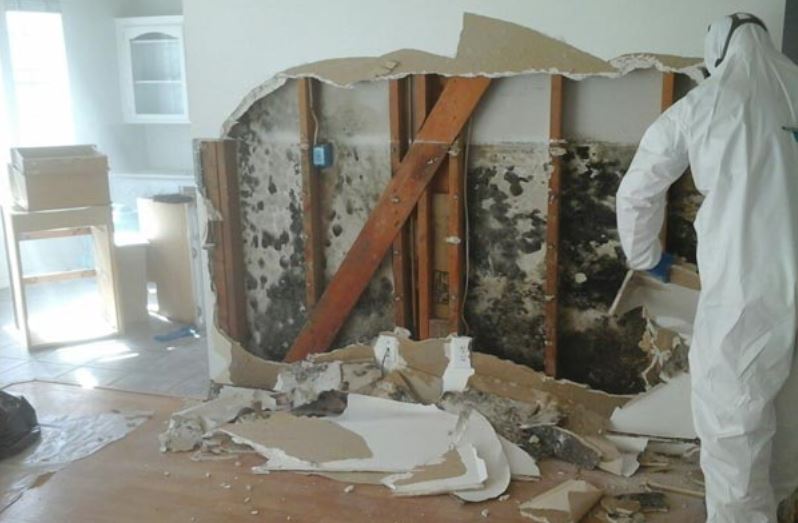
“Black mold” usually refers to Stachybotrys chartarum, a dark greenish-black mold that grows on materials with high cellulose content, such as drywall paper, wood, and insulation, after prolonged moisture exposure. It requires the same containment and removal process as other mold types, but with additional care due to higher spore concentration and its common association with extended water damage rather than a quick, one-time spill.
The removal principles are the same ones used for any black mold removal in Corpus Christi: contain the area, remove what cannot be cleaned, treat what remains, and fix the moisture source. Black mold simply raises the stakes on doing each step correctly.
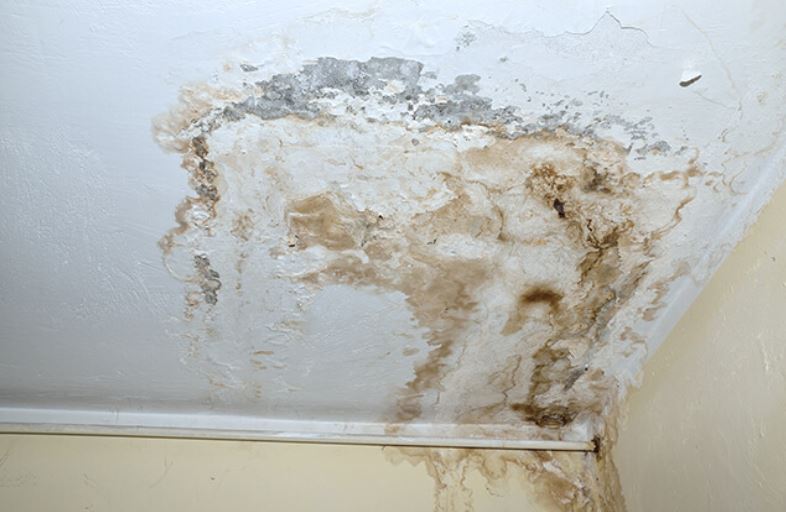
Signs of Black Mold in Your Home:
- Dark greenish-black patches with a slimy or powdery texture.
- A persistent musty odor with no visible mold, often meaning growth is hidden inside a wall.
- Staining or discoloration around AC vents, under sinks, or behind toilets.
- Visible growth in attics after a roof leak, or on baseboards after flooding.
- Warping, bubbling, or soft drywall near chronically damp areas.
Common Causes of Black Mold in Corpus Christi:
- Prolonged roof leaks from hurricane or tropical storm damage that go unnoticed inside the attic for days.
- Flooding from storm surge or heavy rain that soaks drywall and insulation.
- Long-term plumbing leaks behind walls or under slab foundations.
- AC drain line failures, which create a constant, low-level moisture source that is easy to miss.
Because black mold is tied to sustained moisture rather than a one-time event, by the time it is visible, the water source has often been active for weeks. That is why a moisture inspection matters as much as the visible mold itself.
Black Mold Removal in Corpus Christi: Why It Should Not Be a DIY Project:
Disturbing black mold without proper containment, such as scrubbing it with bleach or running a fan to “air it out,” releases spores into the air and spreads contamination to previously clean parts of the home. This is the single most common mistake homeowners make, and it usually increases both health risk and the eventual remediation cost. Professional removal follows a strict containment and clearance sequence — see our full mold remediation process for exactly how black mold is safely contained and removed.
- Containment: Negative air pressure barriers seal off the work area before anything is disturbed.
- HEPA air filtration: Industrial air scrubbers capture airborne spores throughout the project.
- Removal: Contaminated drywall, insulation, and framing are removed, bagged, and disposed of rather than “cleaned in place.”
- Anti-microbial treatment: Remaining surfaces are treated to inhibit regrowth.
- Moisture correction: The roof leak, plumbing issue, or AC drain problem that caused the growth is fixed, since removal without this step is temporary.
- Clearance testing: Air quality testing confirms spore levels are back to normal before the area is reopened.
Under Texas Occupations Code Chapter 1958, larger mold jobs also require an independent, separately licensed assessment before and after remediation, precisely because black mold cases tend to involve larger, higher-stakes scopes of work.
Black Mold and Your Health:
Commonly reported symptoms associated with mold exposure include coughing, sneezing, eye and throat irritation, headaches, and worsening asthma. These symptoms overlap with several other conditions and are not unique to black mold specifically, so they are not proof of exposure on their own. The EPA’s mold guidance has more detail on exposure and health considerations.
If household members have ongoing symptoms that improve when away from home, that is a reasonable signal to schedule mold testing, and it is worth mentioning to your doctor as well. Testing the home and getting a medical opinion answer two different questions, and both matter.
Black Mold FAQ:
Q-1: -Is black mold more dangerous than other mold?
Q-2: -Can I test for black mold myself?
Q-3: -How much does black mold removal cost?
Q-4:- Will black mold come back after removal?
Q-5: -Do I need to leave my house during black mold removal?
Black Mold in Your Home? Call Now.
Not sure if it is black mold or something else? A professional mold inspection can confirm it before you commit to black mold removal in Corpus Christi, or read more about our full mold remediation process. Early action keeps small problems from becoming expensive ones.